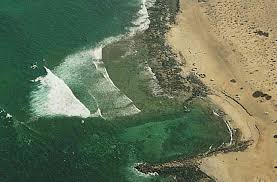
Playa de San Juan in Teguise, Lanzarote, is a natural corner famous for its waves, ideal for surfers and tranquility seekers looking to escape the crowds.
Ask AI about this beach
Instant answers about Playa de San Juan

Recomendaciones
🌅 Did you know...?
Los mejores atardeceres se ven 20-30 minutos después de que el sol toque el horizonte, cuando el cielo se tiñe de colores.
About this beach
Table of contents
Introduction
As beach tourism experts, we always look for those special corners that offer more than just sun and sand. And without a doubt, Playa de San Juan in the municipality of Teguise, on the stunning island of Lanzarote, is one of them. We're not talking about a crowded beach with sun umbrellas lined up to the horizon, but rather a natural treasure, a volcanic canvas where the force of the Atlantic meets the tranquility of an almost virgin landscape. It's a place that breathes authenticity and attracts a very particular type of traveler: one who values nature in its purest state, adventure, and real disconnection.
This Playa de San Juan is a reference point for surfing and bodyboarding enthusiasts in the Canary Islands. Its wave conditions make it a meeting point for surfers of all levels, from beginners looking for their first waves on calmer days, to experts challenging its imposing peaks when the sea roars with force. But this beach isn't just about surfing; its scenic beauty, marked by the contrast between the golden sand, the dark tones of volcanic rock, and the intense blue of the ocean, makes it a paradise for photographers and for those who simply wish to enjoy a contemplative walk or a refreshing swim in an incomparable setting. It's one of those beaches in Lanzarote that stays in your memory, a place that invites you to return again and again.
How to Get to Playa de San Juan
For us, getting to Playa de San Juan is part of the adventure. Located on the west-northwest coast of Lanzarote, within the municipal area of Teguise, this beach is not in an urbanized area, which contributes to its wild charm. The most comfortable way, and in fact almost the only way, to access it is by car. From Arrecife, the capital, the journey takes approximately 25-30 minutes, taking the LZ-20 and then turning off towards the coast.
Key Directions:
- From Arrecife: Drive on the LZ-20 towards Teguise and then follow signs to Caleta de Famara or La Santa. The beach is located in a coastal area between these two points, a little south of Famara.
- From Costa Teguise: The journey is similar but shorter, about 15-20 minutes. You should take the LZ-10 and then connect with the LZ-20.
- Parking: Once near the beach, you'll find informal parking areas along the dirt tracks leading to the shore. Don't expect a paved or signposted parking lot; it's more of an open space where vehicles organize themselves naturally. We always recommend parking with caution and respecting the environment, avoiding blocking the way or damaging the vegetation. It's a place where nature rules, and it's important that it stays that way.
The Sand and Water
When stepping onto Playa de San Juan, the first thing that catches our attention is its particular sand. Although we've classified it as 'fine', its color and texture are unique in Lanzarote. It's not the typical Caribbean white sand, but a fascinating mix of golden, ochre, and volcanic tones that reflect the island's geology. It's soft to the touch, but often mixed with small stones and pebbles polished by the sea, a result of the constant interaction with the rocky seabed that characterizes this coast. This combination gives it a wild and natural appearance, very different from other more urbanized beaches in Lanzarote.
The type of ground on this beach is, therefore, 'mixed': predominantly sand, but with rocky outcrops, especially at the ends and in some areas of the shoreline. These rock formations not only add beauty to the landscape but are also home to small marine life and can create natural pools at low tide, although caution is advised. For us, this mix is part of its charm, but we recommend wearing suitable footwear if you plan to explore the rocky edges.
As for the water, the Atlantic here shows itself in all its splendor. The waters of Playa de San Juan are crystal clear and a deep blue, inviting for a swim on calmer days. However, it's crucial to highlight that this beach is known for its strong waves and currents, especially on days with a larger swell. For this reason, it's a paradise for surfing, but it may not be the safest place for inexperienced swimmers or young children if the sea is rough. The absence of permanent lifeguards makes caution doubly important. We always recommend assessing sea conditions before entering the water and, if unsure, limiting yourself to enjoying the shore and the landscape. The water temperature, as in the rest of the Canary Islands, is pleasant year-round, although slightly cooler in winter, which doesn't deter surfers equipped with their wetsuits.
Services and Facilities
While many beaches in Lanzarote offer a wide range of services, Playa de San Juan stands out precisely for its lack of them. And, for us, that's part of its appeal. Here you won't find showers, public toilets, sunbed and umbrella rentals, or beach bars right on the sand. It's a beach in its most natural state, a place where human infrastructure is minimal to preserve its wild character.
The only service we can confirm, informally, is the possibility of Parking. As mentioned, there are dirt areas where visitors can leave their vehicles. However